October 5, 2026
Southern Gothic and the Past That Won’t Stay Past
Southern Gothic can be eerie, strange, funny, grotesque, and sometimes downright frightening. But the tradition has never been only about ghosts, crumbling houses, eccentric characters, or monsters in the woods. At its heart, Southern Gothic has always asked harder questions: What from our past still haunts us? What do we refuse to see about ourselves? And what happens when the stories we tell about the South collide with the realities underneath them?
Race has always been part of that conversation. Writers associated with the Southern Gothic tradition—including William Faulkner, Flannery O’Connor, Eudora Welty, and others—wrote about a South profoundly shaped by its racial history and by the ways the past continued to intrude on the present.
As the Southern Gothic Festival continues to explore—and expand—what “Southern Gothic” can mean, we want to make room for those difficult questions alongside the haints, folklore, dark humor, monsters, and haunted houses.
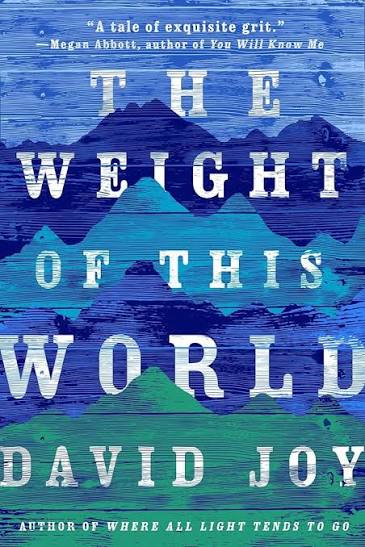
Last year, author David Joy helped us do just that. Joy is best known for dark, gritty novels rooted in Appalachia, often depicting poverty, violence, addiction, isolation, and the difficult lives of working-class white Southerners. But in Those We Thought We Knew, he turned directly toward race, history, and the persistence of white supremacy. The novel follows Toya Gardner, a young Black artist who returns to her grandmother’s home in the North Carolina mountains and begins an art project confronting the region’s Confederate past. Her presence—and ultimately her murder—forces a reckoning with secrets that a community would rather leave buried.
At last year’s festival, Joy spoke candidly about his own growing awareness of racism and about the difficulty of examining race as a white Southern man—particularly when poverty and class can make the idea of “privilege” feel disconnected from one’s own lived experience. It was a difficult subject, but an important conversation, which we are expanding this year.
Southern Man: Race and Masculinity in Southern Writing
Saturday, October 10 | 1:00 p.m.
Liberty Hall, Revolutionary War Park | 212 Broad Street
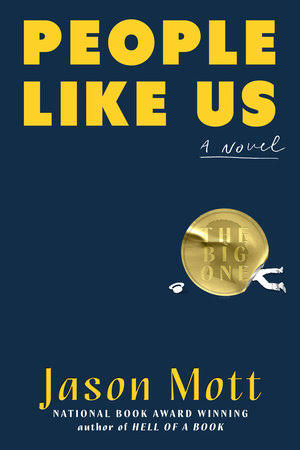
David Joy returns to the festival and will be joined by Jason Mott, winner of the 2021 National Book Award for Fiction for Hell of a Book.
Mott’s novel is simultaneously hilarious, surreal, heartbreaking, and deeply unsettling. Its story moves between a Black author traveling the country on a chaotic book tour and a young Black boy named Soot, gradually bringing their stories together in an examination of racism, identity, violence, memory, and the psychological burden of living with threats that can become part of ordinary life. One of the remarkable things about Hell of a Book is its ability to be genuinely funny while confronting something devastating.
Joy and Mott bring very different experiences and literary perspectives to the same table. Together they’ll talk about race, class, masculinity, belonging, history, and what it means to be a man in today’s South—and about the role storytelling can play in challenging assumptions and allowing us to see lives beyond our own more clearly.
Moderating the conversation is Ray McManus, poet and professor at the University of South Carolina Sumter. McManus’s poetry is deeply rooted in Southern place and identity, frequently engaging masculinity, violence, memory, family, religion, class, and the complicated inheritance of the South. He is an especially fitting person to guide a conversation that isn’t intended to provide easy answers but to continue considering the very real ways people have treated one another—historically and today.
More Southern Voices
That conversation continues elsewhere throughout the festival.
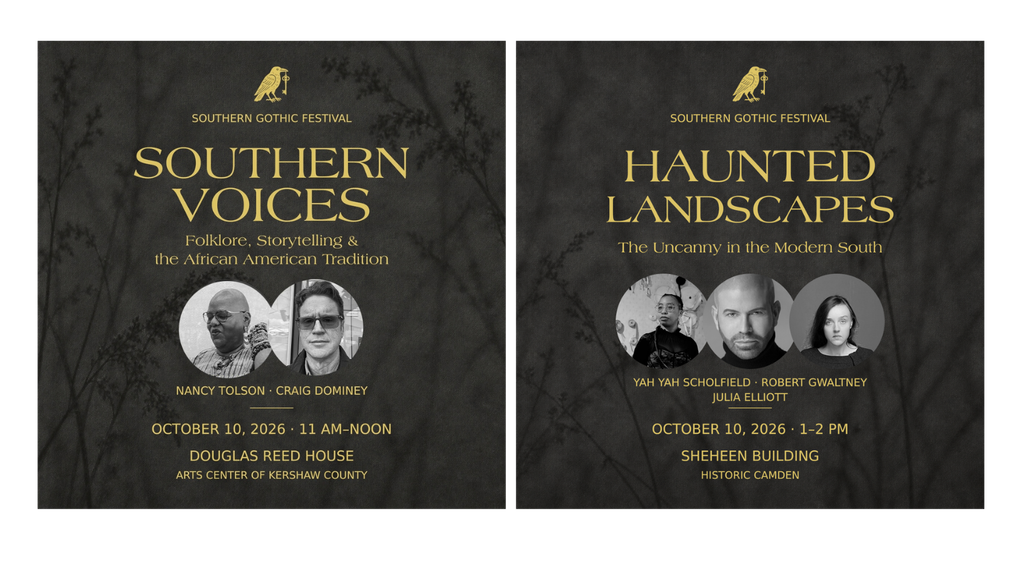
At 11:00 a.m. at the Douglas Reed House at the Arts Center of Kershaw County, USC professor, folklorist, and storyteller Nancy Tolson joins Craig Dominey of The Moonlit Road for Southern Voices: Folklore, Storytelling & the African American Tradition.
Tolson and Dominey will explore how folklore preserves history, culture, memory, and community, with particular attention to the rich traditions and lasting influence of African American storytelling in the South. The program concludes as storytelling traditions should: with a story, performed live by Nancy Tolson.
And at 1:00 p.m. in the Sheheen Building at Historic Camden, a younger Southern voice brings another perspective to Haunted Landscapes.
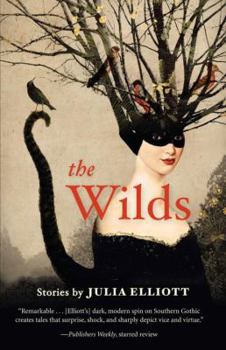
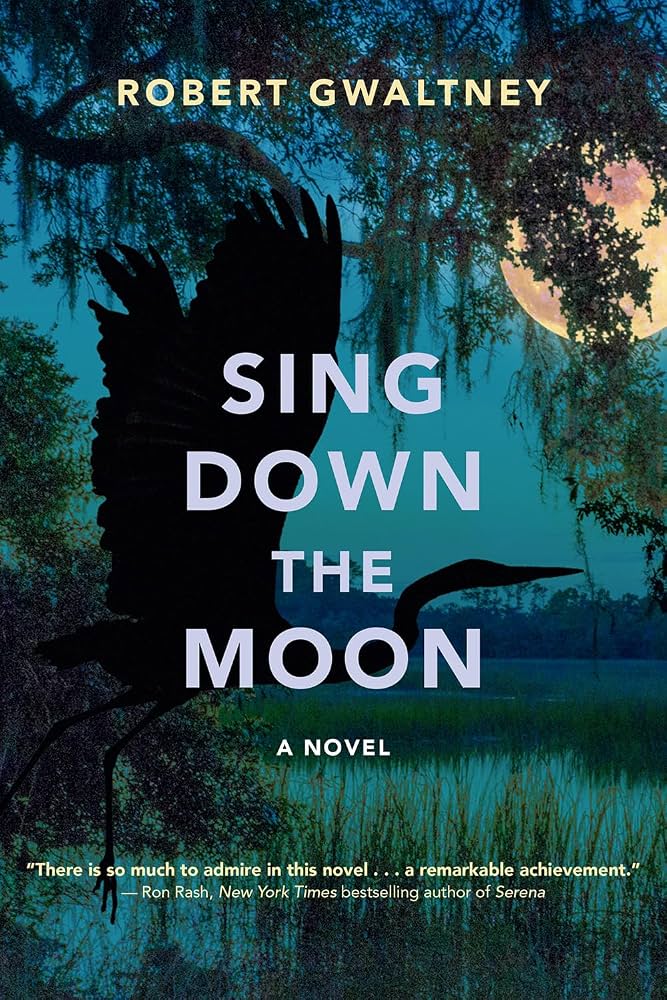
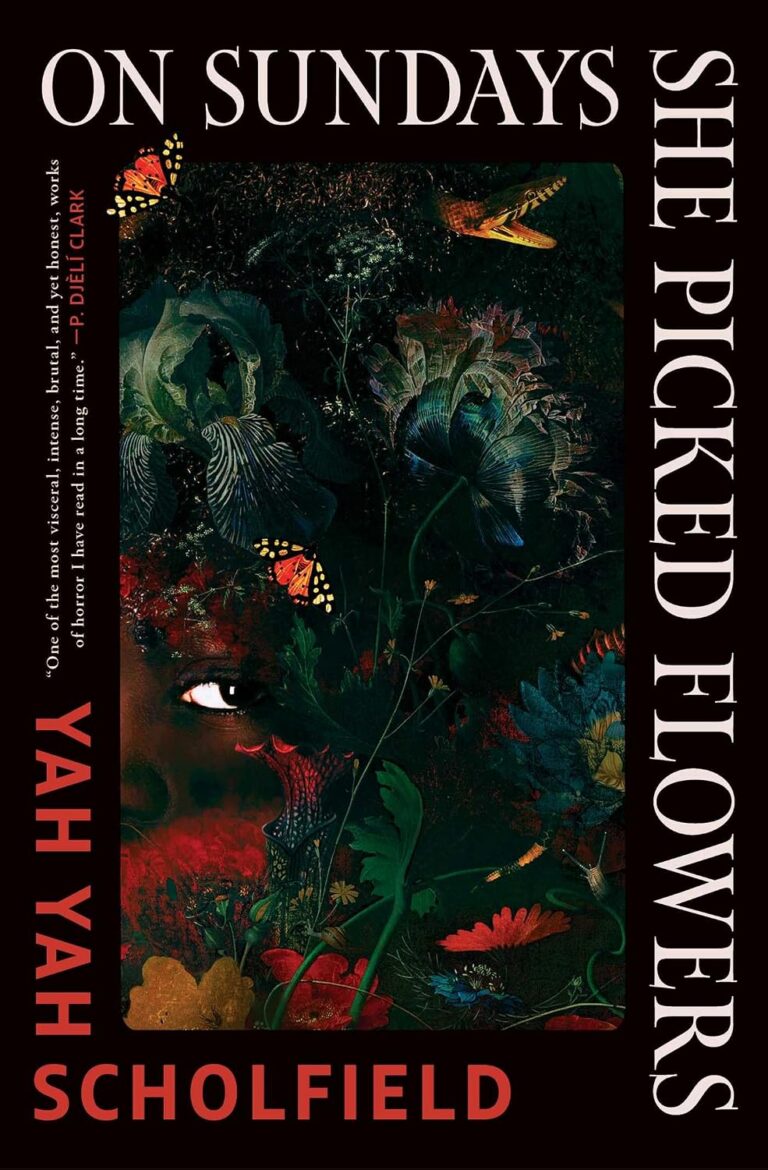
Debut novelist Yah Yah Scholfield, author of On Sundays She Picked Flowers, joins Julia Elliott and Robert Gwaltney for a conversation about the places where landscape, folklore, memory, trauma, and the supernatural intersect.
Scholfield’s novel explores generational trauma through the experiences of Black women while filling its Georgia landscape with haints, strange creatures, folklore, violence, beauty, and magic. Here again, the haunting is both supernatural and deeply human: what happens in one generation does not necessarily end there. Its consequences can travel through families, places, memories, and stories.
That’s Southern Gothic, too.
The Southern Gothic Festival isn’t intended to define the genre once and for all. We’d rather keep asking what it has meant, what it means now, whose stories have been included or overlooked, and where contemporary writers might take it next.
Come listen. Ask questions. Disagree. Discover a writer you haven’t read. Hear a story you haven’t heard. And help us continue exploring what Southern Gothic has been—and what it can become.